
Preservance: Bringing Tlingit Spruce Root Patterns Into New Spaces
/This August, I'm excited to share a project that has been quietly taking shape for some time.
Coming from a lineage of Tlingit spruce root weavers, I've often found myself asking a simple question:
Where else can these patterns live?
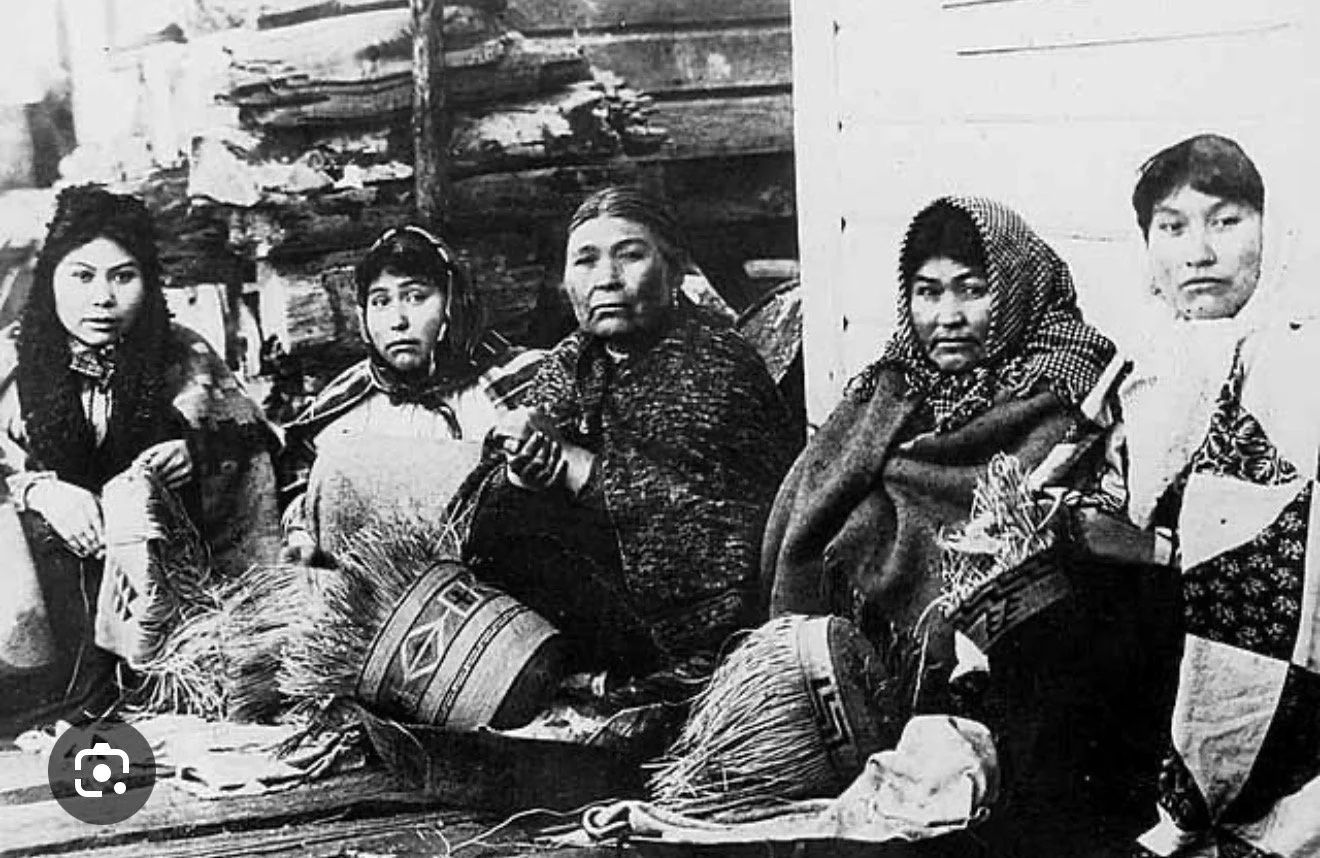
For generations, spruce root baskets were part of everyday life. They carried food, gathered berries, stored belongings, and reflected the landscapes and stories of the people who made them. Today, while the baskets remain treasured works of art, the tradition itself is becoming increasingly rare.
My mother is one of the few people still teaching the art of gathering, preparing, and weaving spruce roots to the next generation. Watching her dedication inspired me to think differently; not about making the tradition contemporary, but about finding new ways for these patterns to continue living in our daily lives.
That question became the beginning of Preservance. The name represents two ideas that cannot be separated: the perseverance it takes to keep cultural traditions alive, and the preservation of the knowledge, stories, and memories they carry.
“The waves. The sandy shoreline. Ferns beneath the forest canopy. Spruce trees reaching into the sky. Wild strawberry patches.
These woven patterns are more than decoration—they are visual memories of home.”
Studying the Stories Within the Patterns
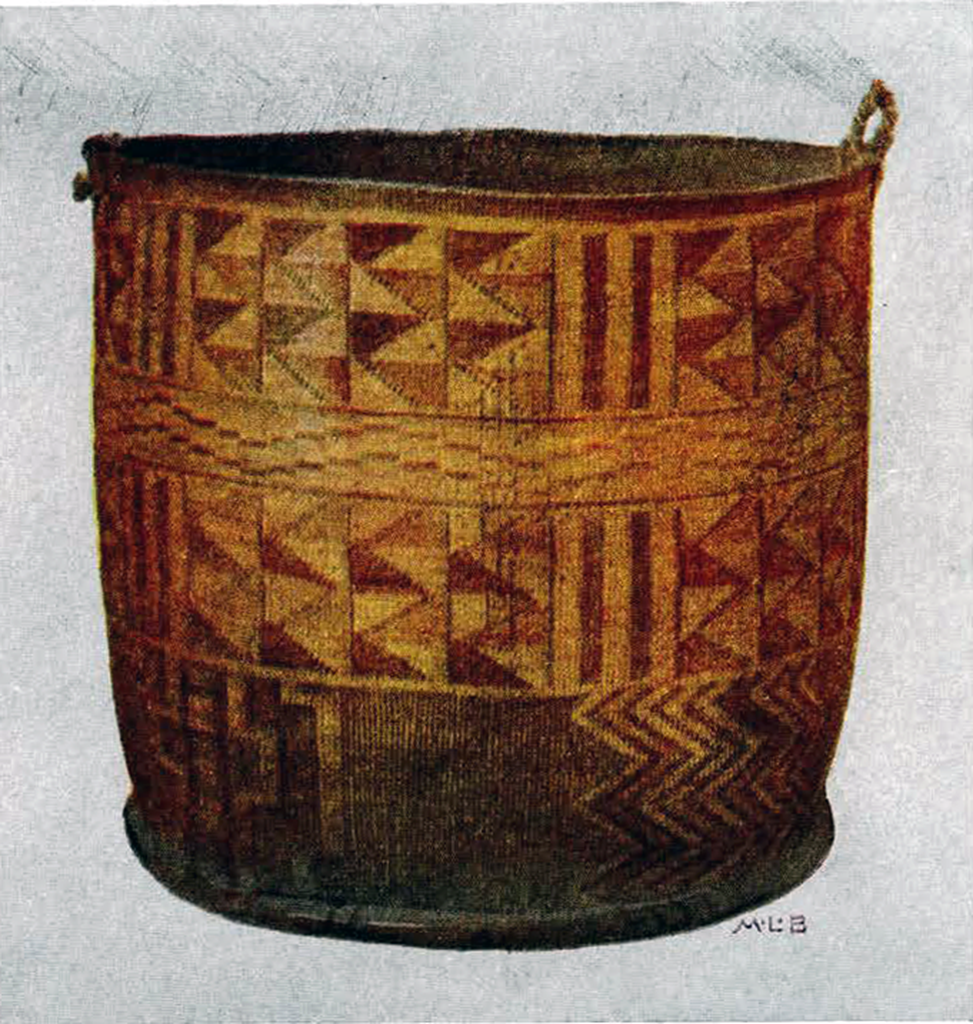
Creating this collection began with studying historical spruce root basket patterns of Yakutat, Alaska, from many preserved in museum collections and archival books.
There are countless traditional designs, each carrying its own story. For my rug collection, I chose patterns that remind me of Yakutat, Alaska.
As a child, I explored Yakutat's beaches, played in the surf, wandered beneath towering spruce trees, and picked wild strawberries with my siblings and cousins in the old-growth rainforest.
Those memories were my foundation.
Many people don't realize that traditional Tlingit basket patterns often tell stories about the land itself. They reflect the places that shaped the people who wove them and continue to carry those memories across generations.
An Endangered Art (continued)
Spruce root basketry is considered an endangered art throughout Southeast Alaska.
Like many Indigenous art forms, spruce root basketry also suffered through generations of cultural suppression. When Indigenous children were taken from their families and placed in boarding schools and institutions, they were often prevented from speaking their languages or practicing their traditions. Knowledge that had once been shared naturally between generations was interrupted, leaving many communities working to reclaim what was nearly lost.
I began wondering whether these patterns could once again become part of everyday life. Rather than remaining something we admire occasionally, what if they could become something we live with?
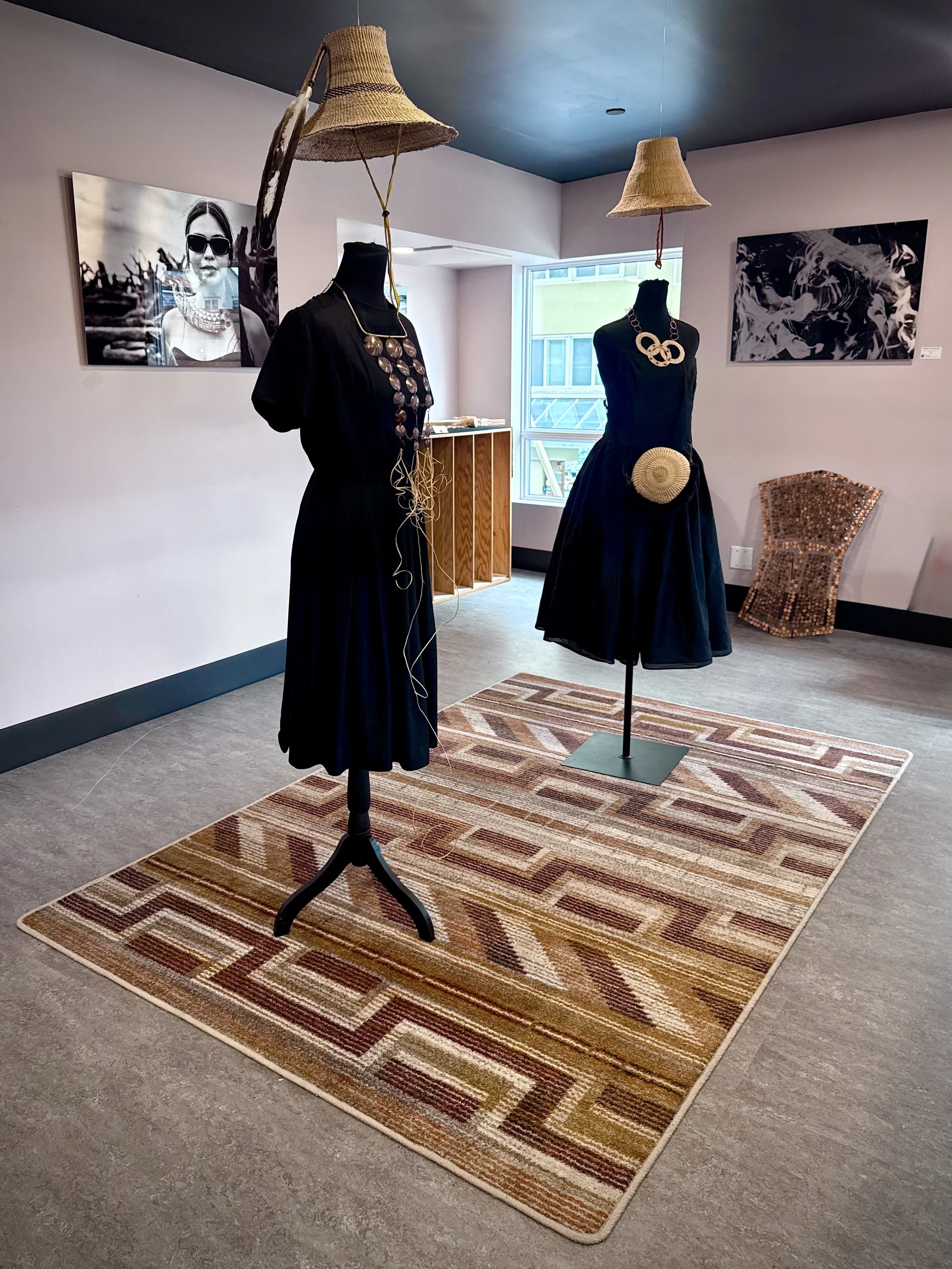
My work in metal jewelry aims for a sense of strength, permanence, and endurance. Preservance: The Living Pattern explores how ancestral Tlingit pattern designs can continue on while remaining connected to our roots.
Just as metal is valued for its ability to endure across generations, similarly, American Dakota’s rugs are created with longevity in mind; designed to be lived with, cared for, and passed down.
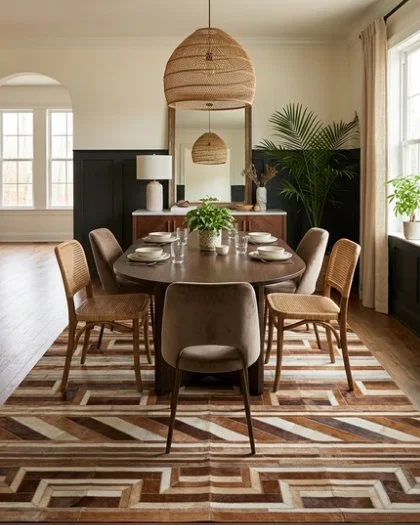
Rather than something to admire occasionally, I intend for these rug patterns to become part of the spaces we gather in, the stories we share, and the memories we create.
This collection creates a bridge between ancestral pattern language and contemporary life. As these designs enter new homes, they continue gathering meaning; becoming part of new stories, new traditions, and future generations.
Years ago, woven baskets and drinking cups were everyday objects. Today, those practical purposes have largely disappeared, replaced by modern materials like plastic and metal. Many historic baskets now live behind museum glass or on display shelves.
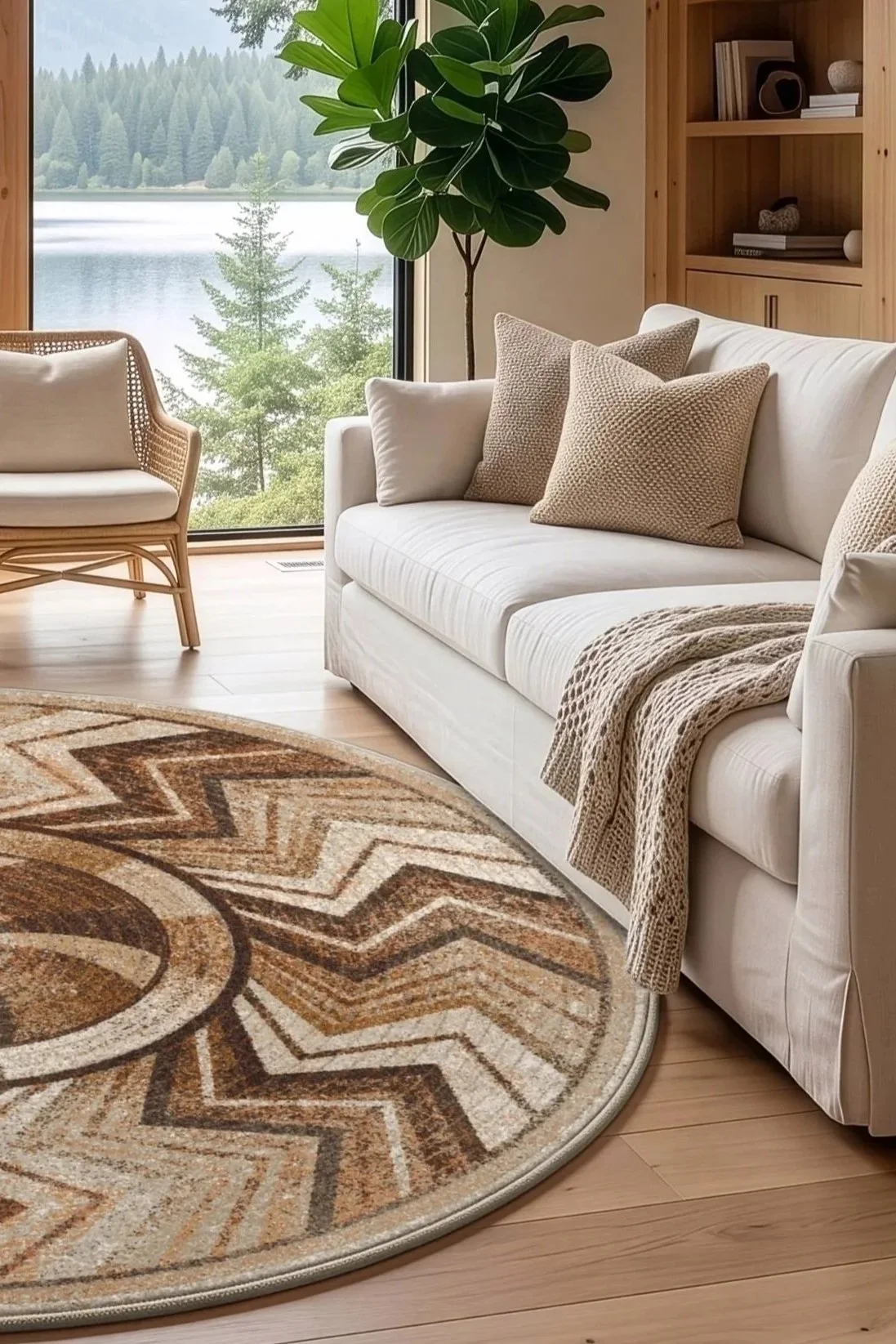
This collaboration with American Dakota offered that opportunity. Together, we've translated traditional spruce root basket patterns into heirloom-quality rugs that honor their origins while finding a place within contemporary homes.
For me, this isn't about replacing basketry. Nothing can replace the beauty or significance of handwoven spruce root baskets. It's about allowing these designs—and the stories they carry—to continue reaching new audiences and becoming part of everyday life once again.
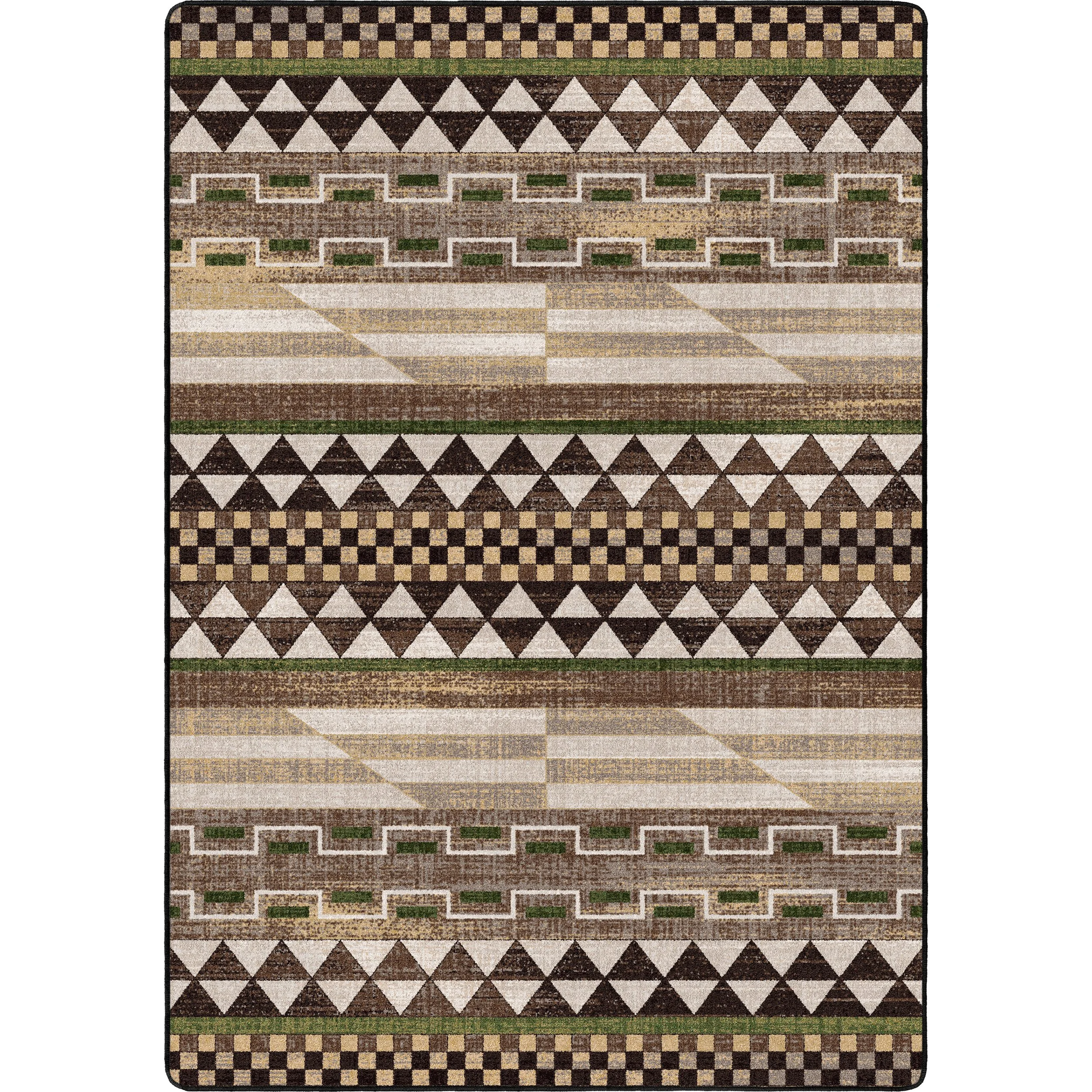
Story Teller weaves together traditional Tlingit spruce root basket patterns that reflect the landscape of Jennifer Younger’s childhood in Yakutat, Alaska.
Featuring the Strawberry Weave, Waves, Bear Tracks, and Sand Hills patterns, the design honors family walks along Yakutat’s beaches, where towering spruce trees meet the shoreline and patches of wild strawberries flourish beneath the forest canopy.
Bears have long shared these lands, their tracks serving as reminders of the deep connection between people, place, and wildlife. Each pattern tells part of that story, preserving memories of the landscape while celebrating the enduring artistry and language of Tlingit basket weaving.
Material: EnduraStran© premium nylon yarn is made of 100% nylon fiber. Nylon fiber is one of the toughest and most versatile fibers on the market. Used in a myriad of products from ropes to hosiery, its strength, resistance to abrasion and soiling, as well as its elasticity and resilience, make it one of the best fibers for use in the manufacture of carpets and rugs.
Worry-free:
Superior Stain Resistance: resists staining caused by most food, beverages, and pet urine
Anti-Static
Fire Resistant: Tested to ensure safety.
CRI Green Label Plus™ Certified: Emission tested.
Anti-microbial: Tested against mildew, mold, fungi, and bacteria
Carrying the Pattern Forward
Preservance is about finding new ways for spruce root pattern-making to continue telling their stories–The Living Patterns.
Most of all, it is about ensuring these designs remain living expressions of Tlingit culture; not only in museums or books, but in the homes and lives of people who value the stories they carry.
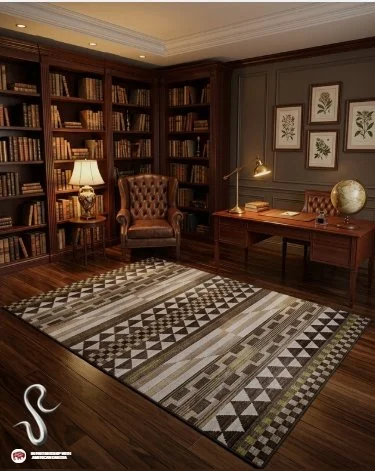
My hope is that, through this collection, those memories will be known for generations to come—along with those of your own. The quiet moments of everyday life. Children growing up. A dog curled up on the rug. Morning coffee by the fire or evenings spent together after a long day. Or even making an office space feel like home.
Like the spruce root baskets that inspired them, these rugs are meant to be lived with. To age gracefully. To witness the moments that become family stories.
My hope is that they grow old with you, carrying both the memories they inherit and the memories you create.
Upcoming Blog: The Value of Collaboration & Being The Bridge — If you know me, you know I love collaboration. Art grows stronger when people work together, sharing ideas, knowledge, and creativity. This collection reflects that belief.

JENNIFER YOUNGER 2026